
The Microscopic Ninjas: HEJ Research Institute Discovers Novel Scorpion Venom Peptides to Defeat Pakistan's Deadly XDR Typhoid


Imagine a heavily fortified castle surrounded by a massive, impenetrable wall. Inside the castle, there are terrible bandits who are making everyone sick. For years, the king's army has tried to break down the wall using standard battering rams, which we call antibiotics. But the bandits are incredibly smart; every time the army uses a battering ram, the bandits reinforce the wall, making it thicker and stronger until the ram simply bounces off. This is the terrifying reality of Extensively Drug-Resistant, or XDR, Typhoid in Pakistan. The bacteria that causes typhoid fever has mutated to become completely immune to almost all standard antibiotics. But now, scientists at the HEJ Research Institute of Chemistry in Karachi have discovered a team of microscopic ninjas that can bypass the wall entirely and defeat the bandits from the inside.
To understand the magnitude of this crisis, we must look at the history of typhoid in Pakistan. Typhoid fever is caused by the Salmonella Typhi bacteria, usually contracted through contaminated food or water. In the past, it was easily treated with cheap, common antibiotics like ampicillin or ciprofloxacin. However, due to the massive overuse and misuse of antibiotics in both human medicine and agriculture, the bacteria underwent rapid evolution. In 2016, an outbreak in Sindh introduced the XDR strain, which is resistant to all first-line drugs and most second-line drugs. There are only two or three very expensive intravenous antibiotics left that can treat it, and even those are starting to fail. If a patient contracts XDR typhoid, they face a high risk of intestinal perforation, sepsis, and death. The World Health Organization has flagged this as a critical global health threat, and Pakistan is at the epicenter.
The researchers at HEJ, which is Pakistan's premier institute for chemical sciences, knew that looking for new drugs in the same old chemical libraries would not work. They needed a completely different weapon. They turned to nature, specifically to the harsh, unforgiving deserts of Thar and the mountains of the north, where creatures have evolved over millions of years to survive in environments filled with deadly bacteria. They focused on the Pakistani red scorpion. Scorpions survive in dirty, bacteria-filled environments because their immune systems produce powerful defensive chemicals in their venom. These chemicals, known as antimicrobial peptides (AMPs), are essentially tiny, molecular chains of amino acids designed to hunt and destroy pathogens.
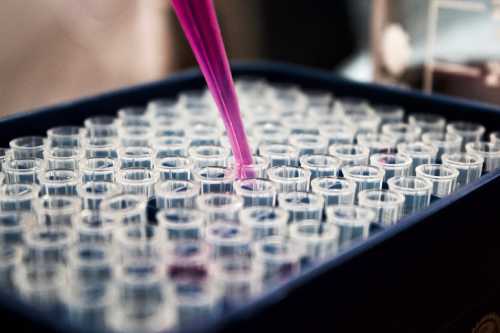
The HEJ team spent three years carefully extracting, isolating, and sequencing the venom of the local scorpion. They identified a specific peptide, which they named Hs-AMP-1, that showed incredible promise in petri dishes. But how does this microscopic ninja work? Unlike traditional antibiotics, which usually try to block a specific protein or enzyme inside the bacteria (which the bacteria can easily mutate to resist), Hs-AMP-1 attacks the bacteria's physical structure. The peptide has a unique positive electrical charge, while the outer membrane of the Salmonella Typhi bacteria has a negative charge. Like two opposing magnets, the peptide is violently attracted to the bacteria. Once it attaches, it acts like a microscopic drill, punching a physical hole straight through the bacterial wall. The bacteria's internal fluids leak out, and it dies instantly. Because the bacteria would have to completely rebuild the fundamental electrical and physical structure of its own outer wall to resist this, it is virtually impossible for them to mutate and develop resistance. It is an evolutionary checkmate.
The challenge now is turning this natural discovery into a safe, mass-produced medicine. Natural peptides can sometimes be toxic to human cells or break down too quickly in the bloodstream. The brilliant chemists at HEJ are now using advanced peptide engineering to modify the structure of Hs-AMP-1. They are tweaking the amino acid sequence to ensure it only targets bacterial cells and is completely harmless to human red and white blood cells. They are also working on encapsulating the peptide in a specialized lipid nanoparticle, which protects it from being destroyed by stomach acid, allowing it to be taken as a simple oral pill rather than an intravenous drip. Early animal models have shown that this modified peptide can clear an XDR typhoid infection in mice within 48 hours, with zero toxic side effects.
The global scientific community is closely watching this research, as a new class of antibiotics is desperately needed worldwide. Here is the reaction from the medical research community on social media:
A beacon of hope in the fight against antimicrobial resistance! ???????? Researchers at HEJ Research Institute of Chemistry in Pakistan have isolated novel antimicrobial peptides from local scorpion venom that effectively destroy XDR Typhoid bacteria. This could be the breakthrough we need to defeat drug-resistant superbugs. #AMR#Typhoid#MedicalResearch
— Infectious Disease Society (@IDSociety) June 27, 2026
This research is not just a scientific triumph; it is a matter of national security and public health. By harnessing the unique biodiversity of Pakistan's own ecosystems, local scientists are creating a homegrown solution to a homegrown crisis. The HEJ Institute is currently seeking partnerships with international pharmaceutical giants to fund the massive Phase 1 human clinical trials required to bring this drug to the market. If successful, Pakistan will not only save its own citizens from a deadly superbug but will also export a life-saving drug to the rest of the world. To read the detailed chemical analysis of the Hs-AMP-1 peptide, you can access the research paper at hejresearch.edu.pk.
Related Articles
The Biopharma Bottleneck: How Supply Chains and Regulatory Reality Are Restraining Medical Innovation
Aug 22, 2026
The Structural Faultlines of Modern Medicine: Navigating the Convergence of Capital, Compute, and Geopolitics
Aug 22, 2026
Comments (0)
No comments yet. Be the first to share your thoughts!
Want to join the discussion?
Please log in to post a comment.
Login NoworCreate an Account