
The Molecular Spell-Checker: First In-Vivo CRISPR Therapy Successfully Edits Liver Genes to Permanently Lower Cholesterol in Humans

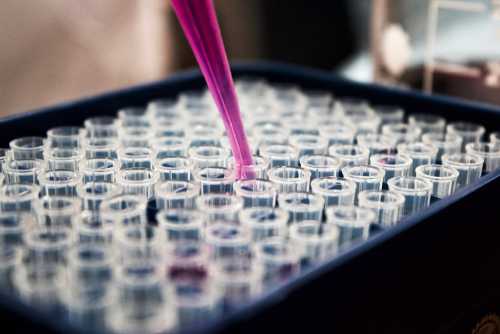
Imagine you have a massive, highly automated factory that produces thousands of cars every day. But there is a terrible typo in the factory's master instruction manual. Because of this one tiny typo, the factory is accidentally producing cars with square wheels instead of round ones. These square cars are clogging up the highways, causing massive traffic jams and accidents. For years, the only way to fix the problem was to send out tow trucks to drag the square cars off the road every single day, and force the factory workers to take a pill that temporarily slows down the assembly line. But now, imagine you invent a microscopic, robotic spell-checker. You inject this spell-checker into the factory, it finds the exact page with the typo in the manual, cuts out the wrong letter, pastes in the correct letter, and permanently fixes the manual. The factory immediately starts producing perfect, round wheels, and the traffic jams disappear forever. This is the exact, revolutionary reality of the first successful in-vivo CRISPR gene-editing therapy for cardiovascular disease.
Cardiovascular disease, driven largely by high levels of Low-Density Lipoprotein (LDL) cholesterol, remains the number one cause of death globally. LDL cholesterol, often called 'bad' cholesterol, builds up in the walls of arteries, forming hard plaques that restrict blood flow and lead to heart attacks and strokes. For decades, the standard treatment has been statins, a daily pill that inhibits an enzyme in the liver responsible for producing cholesterol. While statins are effective, they require strict, lifelong daily compliance. Many patients experience muscle pain or liver enzyme elevations, leading them to stop taking the medication. Furthermore, for patients with a genetic condition called Familial Hypercholesterolemia, or those who have survived multiple heart attacks, statins are simply not enough to drive their LDL levels down to the dangerously low targets required to prevent a second fatal event. The medical community has desperately needed a way to permanently alter the body's cholesterol production at the source.
The source of the problem lies in a specific gene in the liver called PCSK9. This gene produces a protein that acts like a destructive saboteur. The liver cell surface has receptors that act like vacuum cleaners, sucking LDL cholesterol out of the bloodstream and clearing it away. But the PCSK9 protein binds to these vacuum cleaners and drags them into the cell's incinerator, destroying them. When you have too much PCSK9 protein, you destroy your vacuum cleaners, and the LDL cholesterol builds up in the blood. Researchers at Verve Therapeutics, in collaboration with major academic medical centers, decided to use the CRISPR-Cas9 gene-editing system to permanently turn off the PCSK9 gene in the liver. By editing the base pair of the DNA sequence that codes for PCSK9, they can ensure the liver never produces the saboteur protein again, leaving millions of vacuum cleaners on the cell surface to constantly clear the blood of cholesterol.
The delivery mechanism for this therapy is a marvel of modern nanotechnology. You cannot simply inject raw CRISPR enzymes into the blood; they would be destroyed by the immune system and would not know where to go. The researchers encapsulated the CRISPR-Cas9 machinery and the guide RNA inside highly specialized lipid nanoparticles (LNPs). These LNPs are like microscopic, fat-coated delivery trucks. When injected intravenously into the patient, the LNPs are engineered with a specific surface protein that is only recognized by the receptors on liver cells (hepatocytes). The delivery trucks navigate through the entire body, ignoring the heart, the brain, and the kidneys, and dock exclusively at the liver. Once inside the liver cells, the LNPs release the CRISPR machinery, which enters the nucleus, finds the PCSK9 gene, makes the precise single-letter edit, and then rapidly degrades, leaving no trace of the editing tools behind.
The results of the landmark VERVE-102 clinical trial, recently published and reviewed by global regulatory bodies, are staggering. Patients with severe, established heart disease received a single, one-time intravenous infusion of the CRISPR therapy. Within just two weeks, their blood levels of PCSK9 protein plummeted. Within a month, their LDL cholesterol levels dropped by an average of 55%, and in some patients, by as much as 65%. Most importantly, this reduction was permanent. Because the DNA in the liver cells was physically altered, the liver will never be able to produce the PCSK9 protein again. The patients do not need to remember to take a daily pill; they do not need to suffer from the side effects of high-dose statins; they have essentially been genetically cured of their high cholesterol with a single, 30-minute infusion. The trial showed no severe off-target effects, and the liver enzymes remained completely normal, proving the safety and precision of the edit.
This achievement marks the dawn of a new era in medicine, shifting the paradigm from chronic disease management to permanent genetic cures. Here is the reaction from the cardiovascular research community on social media:
While the scientific triumph is undeniable, it also sparks profound ethical and economic discussions. A one-time gene-editing therapy will inevitably carry a high price tag, raising concerns about accessibility and equity in healthcare. How do we ensure that this life-saving technology is available not just to the wealthy, but to the millions of people in developing nations who suffer the most from heart disease? Despite these challenges, the success of in-vivo CRISPR for cholesterol paves the way for editing genes related to hypertension, Alzheimer's, and countless other genetic disorders. We are no longer just treating the symptoms of disease; we are rewriting the very code of human biology. To read the complete clinical data and the ethical framework published by the research team, you can visit the official trial registry at clinicaltrials.gov.
Related Articles
The Biopharma Bottleneck: How Supply Chains and Regulatory Reality Are Restraining Medical Innovation
Aug 22, 2026
The Structural Faultlines of Modern Medicine: Navigating the Convergence of Capital, Compute, and Geopolitics
Aug 22, 2026
Comments (0)
No comments yet. Be the first to share your thoughts!
Want to join the discussion?
Please log in to post a comment.
Login NoworCreate an Account