
The mRNA Miracle: How Personalized Cancer Vaccines are Halving Melanoma Recurrence Rates Globally

Remember when we talked about how your body has security guards to fight off monsters like viruses? Well, cancer is a monster that is very tricky because it is made of your own cells. It wears a disguise, so your security guards do not recognize it as a bad guy and let it grow. But what if you could take a picture of the monster's face and show it to your guards? That is exactly what the revolutionary mRNA cancer vaccine does, and in 2026, it is changing the world of oncology forever!
To understand this, we need to know what mRNA is. Think of mRNA as a tiny, disposable text message. When you get a vaccine, scientists create a custom text message based on the exact DNA of the patient's tumor. This text message is injected into the body and delivered straight to the immune system's command center. The command center reads the message, builds a model of the cancer monster, and trains thousands of elite soldier cells to hunt it down. Once the guards know what to look for, they patrol the body and destroy any cancer cells that try to hide. The best part? The text message breaks down naturally after a few days, leaving no trace behind.
The results of this technology are nothing short of miraculous. In major global clinical trials involving pharmaceutical giants like Moderna and Merck, researchers have found that adding a personalized mRNA cancer vaccine to standard immunotherapy can halve the risk of high-risk melanoma returning www.facebook.com . Halving the risk! That means out of 100 people who might have faced a deadly recurrence of their cancer, 50 of them are now completely protected because of this custom text message. It is one of the most significant breakthroughs in the history of medicine.
But the miracle does not stop at melanoma. Researchers are now testing these vaccines on one of the most difficult and deadly cancers of all: pancreatic cancer. Pancreatic cancer is notorious for hiding and spreading quickly. However, early phase trials of therapeutic mRNA vaccines, like autogene cevumeran, are showing lasting, powerful results www.mskcc.org . The vaccines are training the immune system to remember the cancer cells for years, creating a long-term shield that prevents the disease from coming back. For a disease that has historically had very few treatment options, this is a beacon of incredible hope.
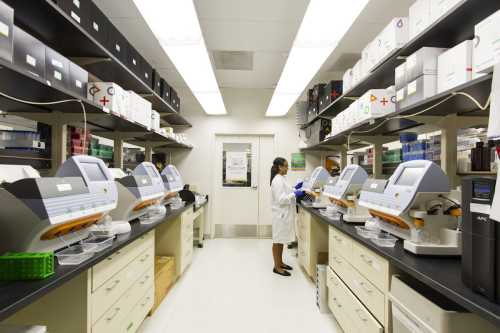
Creating these vaccines is a marvel of modern logistics and science. It starts when a surgeon removes a patient's tumor. The tumor is sent to a high-tech laboratory where scientists sequence its DNA to find the unique mutations, called neoantigens, that make this specific cancer different from all others. Then, using advanced computer algorithms, they design the exact mRNA sequence needed to target those specific mutations. The vaccine is manufactured and shipped back to the hospital, all within a few weeks. It is a completely personalized medicine, made for one single person on the planet.
Because this process is so complex, it is currently very expensive. But researchers and philanthropists are working hard to change that. Recently, a massive $1 million gift from philanthropists was awarded to accelerate novel mRNA cancer vaccine research, aiming to make the technology faster, cheaper, and more accessible ufhealth.org . The goal is to turn this from a luxury treatment into a standard therapy that any patient, anywhere in the world, can receive when they are diagnosed with cancer.
The science behind these vaccines is evolving at lightning speed. Companies like BioNTech are developing "off-the-shelf" mRNA platforms that target common mutations shared by many patients with the same type of cancer www.biontech.com . While a fully custom vaccine is the most precise, these off-the-shelf versions could be ready to go in a freezer, meaning a patient could get their shot the very same day they are diagnosed. This combination of personalized and off-the-shelf approaches is creating a massive arsenal against the disease.
The global medical community is buzzing with excitement. According to recent reports, there are more than 120 clinical trials currently underway for mRNA cancer therapies, including multiple massive phase 3 trials www.thelancet.com . This means thousands of patients around the world are getting access to these life-saving text messages. The data coming out of these trials is being shared in top medical journals, proving that the mRNA platform is not just a one-trick pony; it is a fundamental new way to treat human disease.
For oncologists, this changes everything. Instead of just using blunt instruments like chemotherapy that kill both bad and good cells, they can now use the body's own precise, intelligent immune system to do the work. The side effects are generally much milder because the vaccine only targets the cancer. Patients are able to maintain their quality of life, keep working, and spend time with their families while the vaccine does its quiet, deadly work against the tumors.
The emotional impact on patients and their families is immeasurable. For years, a cancer diagnosis came with the terrifying fear of recurrence. Patients would live in constant anxiety, waiting for the monster to return. Now, with the mRNA vaccine, they have an active shield. They are not just waiting; they are fighting back with the most advanced technology science has ever created. The psychological relief of knowing your body is trained to hunt down the cancer is a massive part of the healing process.
As we move through 2026, the horizon is filled with promise. Researchers are exploring how mRNA can be combined with other cutting-edge therapies, like CRISPR gene editing and targeted radiation, to create unstoppable treatment combinations. They are also looking at how the technology can be used for autoimmune diseases and rare genetic disorders. The text message technology that helped save the world from the pandemic is now pivoting to save the world from cancer. It is a beautiful, inspiring testament to human ingenuity and the relentless pursuit of a healthier, happier future for all of us.
Official Social Media Update:
BREAKTHROUGH: A personalized mRNA cancer vaccine has halved the risk of melanoma returning after five years in a major clinical trial. ????️ This is a monumental step in oncology, proving that custom text messages can train the immune system to hunt cancer. #CancerResearch #mRNA
— Penn Cancer (@PennCancer) May 12, 2026
Related Articles
The Biopharma Bottleneck: How Supply Chains and Regulatory Reality Are Restraining Medical Innovation
Aug 22, 2026
The Structural Faultlines of Modern Medicine: Navigating the Convergence of Capital, Compute, and Geopolitics
Aug 22, 2026
Comments (0)
No comments yet. Be the first to share your thoughts!
Want to join the discussion?
Please log in to post a comment.
Login NoworCreate an Account