
The Principal of the World's School: US Federal Reserve Holds Interest Rates Steady at 3.50%-3.75% in Crucial June 2026 Meeting

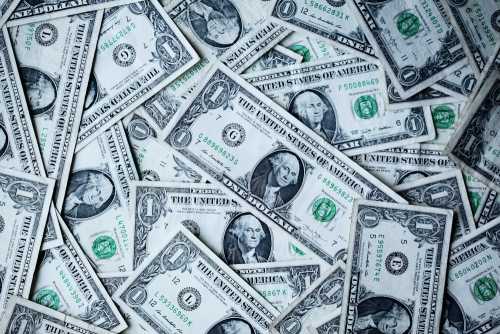
Imagine a gigantic school that has millions of students all over the world. The principal of this school has a special power: they can decide how expensive it is to borrow a pencil. If the principal makes pencils very expensive to borrow, students will stop borrowing them, they will calm down, and the price of pencils in the school cafeteria will drop. But if the principal makes pencils too expensive for too long, students won't be able to do their homework, and the school's overall grades will fall. This principal is the US Federal Reserve, often called the 'Fed', and the pencils are the US dollars. In their crucial June 2026 meeting, the Fed decided to keep the cost of borrowing pencils exactly the same, holding the interest rate steady in the 3.50% to 3.75% range.
To understand why this decision is so important, we have to look at the delicate balancing act the Fed is performing. For the past two years, the Fed was aggressively raising interest rates to fight a massive monster called inflation, which was making everything from eggs to cars too expensive for American families. By making borrowing expensive, they cooled down the economy and successfully brought inflation down to near normal levels. Now, in 2026, the monster is mostly defeated, but the Fed is terrified of making a mistake. If they lower the rates too quickly, the inflation monster might wake up and attack again. If they keep the rates too high for too long, they might accidentally cause a recession, where businesses stop hiring and people lose their jobs. So, they chose to pause and watch carefully, keeping the rates at 3.50%-3.75%.
The Fed uses a tool called the 'Dot Plot' to communicate their plans. Imagine a graph where each dot represents what each Fed member thinks the interest rate should be in the future. In their recent meetings, the dot plot showed that while they are holding rates steady now, they are forecasting maybe one or two small cuts later in the year. This signal is incredibly important for the financial markets. When the Fed holds rates steady, it gives businesses the confidence to plan their budgets without worrying about sudden changes in their loan costs. It also keeps the US Dollar strong, which makes imports cheaper for American consumers.
But the Fed's decision does not just affect the United States; it sends ripples across the entire globe. Because the US Dollar is the world's reserve currency, when the Fed keeps interest rates high, investors all over the world want to keep their money in US banks to earn that good interest. This pulls money out of emerging markets like Pakistan, India, and Brazil, making their currencies weaker against the dollar. A weaker currency means that importing oil and technology becomes more expensive for those countries. Therefore, every finance minister in the world watches the Fed's meeting closely, knowing that the principal's decision will affect their own school's budget.
Financial analysts and global economists were glued to their screens during the announcement. Here is the summary of the market's reaction from leading financial experts:
Posted by Fidelity Investments on Wednesday, June 18, 2026
Looking ahead, the global economy is in a 'soft landing' scenario, which means the Fed managed to stop inflation without crashing the economy. For regular people, this means that mortgage rates in the US might start to slowly come down, making houses more affordable. Credit card interest rates might also see a slight drop. However, the era of 'free money' with near-zero interest rates is over. The new normal is a world where borrowing costs are moderate, forcing companies to be more efficient and profitable rather than just relying on cheap debt to grow. For the most accurate and detailed breakdown of the Fed's monetary policy and future projections, you can visit the official Federal Reserve portal at federalreserve.gov.



Comments (0)
No comments yet. Be the first to share your thoughts!
Want to join the discussion?
Please log in to post a comment.
Login NoworCreate an Account