
UK Politics in Turmoil: Keir Starmer Faces Leadership Challenge as Andy Burnham Enters Parliament

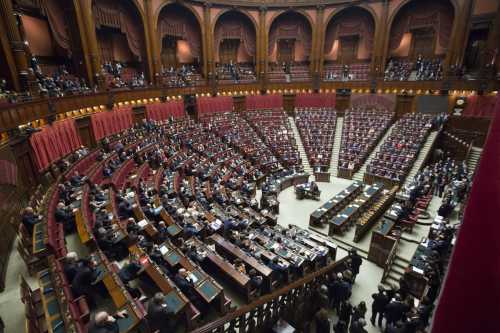
Understanding the Basics: What is a Parliamentary Leadership Challenge?
In the United Kingdom, the voters do not directly elect the Prime Minister. Instead, they vote for a local representative (an MP) to go to Parliament. The political party that wins the most seats gets to form the government, and the leader of that party automatically becomes the Prime Minister. Think of the Prime Minister as the Captain of a sports team. As long as the team is winning, the players are happy, and the Captain keeps his job. But if the team starts losing every game, the players get restless. They start whispering in the locker room, "Maybe we need a new Captain." A "leadership challenge" is when a rival player stands up and says, "I think I can lead this team better than you. Let's have a vote." If the majority of the team votes for the challenger, the old Captain is fired, and the new one takes over. In UK politics, a leadership challenge is the ultimate sign of weakness. It shows that the party has lost faith in its leader's ability to win the next election.
The Big News: Starmer's Authority Shaken by Burnham's Return
The political honeymoon of UK Prime Minister Keir Starmer has abruptly ended, plunging the Labour Party into a high-stakes internal crisis. According to recent reports from CNBC and major UK outlets, Starmer is now facing a severe leadership challenge as his long-time rival, the highly popular former Mayor of Manchester, Andy Burnham, has successfully re-entered Parliament www.cnbc.com . Burnham's return to the Westminster arena is being interpreted by political pundits as a direct, calculated move to contest the Labour leadership. The situation was further compounded by the dramatic resignation of MP Jess Phillips, who stepped down from her ministerial position after Starmer firmly told his cabinet that he had no intention of stepping down despite the growing unrest en.wikipedia.org . In a separate move to clean up the party's image, Starmer also announced a strict ban on cryptocurrency donations to UK political parties following a review into foreign interference en.wikipedia.org . However, these administrative fixes are doing little to quell the deep-seated anxiety within the Labour ranks about Starmer's declining poll numbers and his perceived lack of a unifying political vision.
Official News Source Reference
"UK's Starmer faces leadership challenge as rival Burnham becomes MP. Fri, Jun 19th 2026. Politics."
The Deep Dive: The "Burnham Factor" and the Ideological Divide
To understand why Andy Burnham's entry into Parliament is so terrifying for Keir Starmer's allies, you have to understand the ideological soul of the Labour Party. Starmer represents the "soft left" or centrist wing of the party. He is a former prosecutor, a strict disciplinarian, and a technocrat who believes in fiscal responsibility and steady, boring governance. Andy Burnham, on the other hand, is the darling of the traditional, working-class, socialist base of Labour. He is a passionate orator who champions the National Health Service (NHS), devolution of power to the regions, and aggressive redistribution of wealth. For years, Burnham has been stranded in the political wilderness, running Greater Manchester and building a massive grassroots following that Starmer simply does not possess. By finding a way back into the House of Commons, Burnham has instantly become the lightning rod for every Labour MP who is terrified of losing their seat in the next election. The party is now split between those who want to stick to Starmer's cautious centrism and those who believe only Burnham's fiery populism can defeat the resurgent Conservative or Reform UK parties.
Impact and Future Outlook: Can Starmer Survive the Mutiny?
The immediate impact of this turmoil is a paralysis of government. When a Prime Minister is fighting for their political life, they cannot pass bold legislation or implement difficult reforms because their own MPs are plotting against them. The ban on crypto donations en.wikipedia.org and the clamping down on internal dissent are attempts by Starmer to project control, but they often have the opposite effect, making him look desperate and authoritarian. Jess Phillips' resignation en.wikipedia.org is a particularly damaging blow, as she represents the moral conscience and the feminist wing of the party; her departure signals that Starmer is alienating his most loyal supporters. Looking ahead, the next six months are critical. If the UK economy does not show tangible improvement, and if local by-elections result in heavy Labour losses, the "mates rates" threshold for triggering a formal leadership contest will be met. Starmer's defense—that "our plan is working" and he is not stepping down—will only hold if the polls start to recover. If they don't, the Labour Party will face a brutal, public civil war that could tear the organization apart and hand the next general election to the opposition on a silver platter.
Related Articles

The Macroeconomic Inflection Point: Navigating Sovereign Debt, Labor Recalibration, and Trade Fragmentation
Aug 22, 2026
The Macroeconomic Reckoning: Navigating the Convergence of Debt, Trade, and Technological Shifts
Aug 22, 2026
Comments (0)
No comments yet. Be the first to share your thoughts!
Want to join the discussion?
Please log in to post a comment.
Login NoworCreate an Account