
US and China Reach Historic Trade Concessions: Tariffs Cut and Rare Earth Pauses

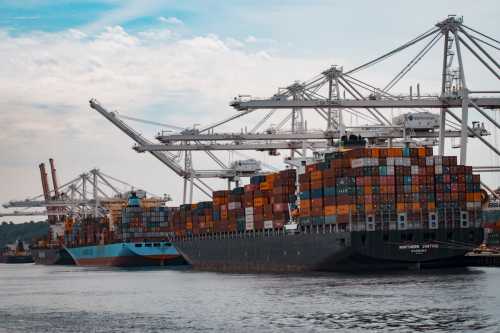
Imagine two very large, very powerful kids in a school sandbox. For a long time, they have been arguing over who gets to play with the best toys and who gets to sell the most lemonade. To hurt each other, they started charging each other extra "fees" just to trade. If the first kid wanted to buy a toy from the second kid, he had to pay an extra 10 cents. The second kid did the same thing. Very quickly, the toys became too expensive for everyone else in the sandbox, and both kids were losing their allowance money. Finally, after a lot of shouting and a very serious meeting with the school principal, the two kids sat down and made a deal. They agreed to stop charging the extra fees, to share some of their special toy parts, and to buy more lemonade from each other. This is a simple way to understand what just happened on the global stage. The United States and China, the two largest economies in the world, have reached a major set of trade concessions following a high-stakes meeting between President Donald Trump and Chinese President Xi Jinping. They have agreed to cut tariffs, suspend rare earth export restrictions, and pause port fees. Let us dive deep into what this deal means for the global economy and why it is such a massive deal.
Breaking Down the Deal: Tariffs, Rare Earths, and Ports
The first and most visible part of this agreement is the reduction of tariffs. For the past several years, the US and China have been locked in a bitter "trade war." The US had imposed massive tariffs (which are basically taxes on imported goods) on hundreds of billions of dollars worth of Chinese products, ranging from smartphones and laptops to furniture and clothing. The goal was to force China to change its trade practices and to encourage companies to move their factories out of China and back to the US. Under the new agreement, the United States has agreed to lower the cumulative tariffs on Chinese imports by removing 10 percentage points. This means that a Chinese-made television that used to have a 25 percent tax added to its price at the US border will now only have a 15 percent tax. This is a significant drop and will immediately make consumer electronics and goods cheaper for American shoppers.
In return, and perhaps more critically for the tech world, China has agreed to suspend its restrictions on the export of "rare earth" minerals. Rare earths are a group of 17 elements on the periodic table that sound like they are from a sci-fi movie (names like Neodymium, Dysprosium, and Erbium). These minerals are absolutely essential for building modern technology. You cannot make a smartphone, an electric car battery, a wind turbine, or advanced military fighter jets without them. For years, China has controlled the vast majority of the world's rare earth mining and processing. Recently, China had started restricting the export of these minerals to the US as a retaliatory tactic in the trade war, which caused panic in the American tech and defense industries. By suspending these restrictions, China has ensured that the supply chains for American tech companies and the military will remain stable and secure.
The Boeing Deal and Agricultural Commitments
Beyond just lowering taxes and sharing minerals, the deal includes massive, specific purchasing commitments that will inject billions of dollars into key American industries. According to fact sheets and reports from the meeting, Beijing has approved a massive commitment from Chinese airlines to purchase 200 new Boeing commercial airplanes. The Boeing company, which is a cornerstone of American manufacturing and exports, has been struggling for years due to safety issues and the lingering effects of the trade war. This order from China is a lifeline for Boeing, securing thousands of jobs for American engineers, mechanics, and factory workers in Washington state and across the country. It is a massive win for American manufacturing.
Additionally, China has committed to purchasing $17 billion worth of US agricultural products. This includes soybeans, corn, pork, and wheat. American farmers have been some of the biggest victims of the trade war, as China had previously imposed heavy retaliatory tariffs on US crops, causing American farmers to lose their biggest customer and driving many into bankruptcy. This new commitment guarantees a massive, stable market for American farmers, allowing them to plant with confidence and invest in their equipment for the next planting season. Furthermore, the two countries have agreed to pause all new port fees and shipping penalties that they had been threatening to impose on each other's vessels. This will lower the cost of global shipping, which helps reduce the overall cost of goods for everyone around the world.
The US and China have agreed to cut tariffs, suspend rare earth export restrictions, and pause port fees following a productive meeting between President Trump and President Xi.
— White House Council of Economic Advisers (@CEA) June 18, 2026
The Economic Impact: Inflation, Markets, and Global Supply Chains
The immediate impact of this trade concession is a massive sigh of relief from global financial markets. Stock markets in New York, London, and Asia surged as investors realized that the threat of a total decoupling of the US and Chinese economies had been averted. For the average consumer, the most noticeable effect will be a decrease in inflation. Because the tariffs on Chinese goods are lower, and the cost of shipping is paused, the prices of everything from clothes to toys to electronics should start to come down or at least stop rising so quickly. This gives the Federal Reserve (the US central bank) more flexibility to potentially lower interest rates, which would make mortgages and car loans cheaper for American families.
For global supply chains, this agreement provides a much-needed period of stability. For the past five years, multinational companies have been spending billions of dollars trying to "de-risk" their supply chains by moving factories out of China to places like Vietnam, India, and Mexico. While this trend of diversification will continue, the trade concessions mean that companies do not have to urgently rip and tear their operations out of China overnight. They can now plan for a future where both China and the US remain deeply, albeit carefully, interconnected in the global trading system. The agreement proves that despite intense political rivalry, the economic gravity between the world's two largest economies is simply too strong to completely break apart.
Geopolitical Implications: A Temporary Truce?
While the markets are celebrating, geopolitical experts are urging caution. Many view this agreement not as a permanent peace treaty, but as a "temporary truce" or a tactical pause in the long-term strategic competition between Washington and Beijing. The fundamental issues that caused the trade war—disputes over intellectual property theft, state subsidies for Chinese tech companies, and the struggle for technological supremacy in AI and semiconductors—have not been solved. The US still maintains strict export controls on the most advanced AI chips to China, and China is still pouring billions into its own domestic tech sectors to achieve self-reliance. The concessions made in this deal are largely transactional: China buys planes and soybeans, the US lowers some taxes and unblocks some minerals.
However, a temporary truce is still incredibly valuable. In the world of geopolitics, avoiding a catastrophic escalation is a win in itself. By stabilizing the economic relationship, both leaders have freed up political capital to focus on other pressing global issues, such as the conflicts in the Middle East and Eastern Europe. The agreement shows that when the economic pain becomes too great for both sides, pragmatic deal-making can still occur. For the rest of the world, this is a positive development. Countries in Europe, Asia, and Latin America rely heavily on both the US and China for trade. A full-blown trade war forced them to choose sides and disrupted their own economies. A stabilized US-China relationship allows the rest of the world to breathe a little easier and focus on their own domestic growth. Read the full analysis of the Trump-Xi meeting outcomes.
In conclusion, the trade concessions reached between the United States and China represent a significant de-escalation in the years-long trade war. By cutting tariffs, unblocking critical rare earth minerals, and securing massive purchases of American airplanes and agricultural goods, both nations have stabilized their economic relationship. While the deep-seated strategic rivalry remains, this deal provides immediate relief to consumers, boosts key American industries, and prevents a catastrophic rupture in global supply chains. It is a reminder that even in an era of intense great power competition, the mutual benefits of trade can still forge powerful agreements that shape the future of the global economy.
Related Articles

The Policy Paradox: Navigating Industrial Subsidies, Carbon Border Adjustments, and Fiscal Constraints
Aug 22, 2026
The Redrawn Regulatory Seascape: Navigating the Convergence of Global Policy Faultlines
Aug 22, 2026
Comments (0)
No comments yet. Be the first to share your thoughts!
Want to join the discussion?
Please log in to post a comment.
Login NoworCreate an Account