
Deadly Heatwave Grips Pakistan in June 2026: Health Emergencies Declared Across Cities

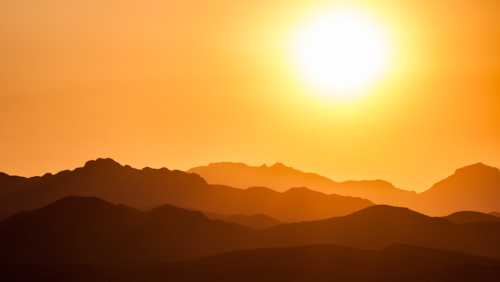
When the Sun Becomes a Threat
Imagine stepping outside on a summer day, but instead of just feeling warm, the air feels like it is coming out of a giant, hot oven. You cannot catch your breath, and your skin feels like it is burning. For millions of people in Pakistan right now in June 2026, this is not an imagination; it is their daily reality. The country is currently facing a severe and dangerous heatwave, meaning the temperatures have gone so high that they are actually making people sick and creating a public health emergency [[34]].
The Pakistan Meteorological Department, which is the group of scientists that predict the weather, has issued urgent alerts. They report that temperatures in central and upper Punjab, Islamabad, Khyber Pakhtunkhwa, and Sindh are staying 5 to 7 degrees Celsius above what is normal for this time of year [[35]]. When the weather is this much hotter than usual, the human body, which is designed to stay at a specific temperature, starts to break down. This is why hospitals are filling up and the government is stepping in to save lives.
How Extreme Heat Hurts the Human Body
To understand why a heatwave is a health emergency, we have to look at how our bodies cool down. Normally, when you get hot, your body sweats. As the sweat dries, it takes the heat away from your skin. But when it is extremely hot and humid outside, the sweat does not dry. The heat gets trapped inside you. Your core body temperature starts to rise, which is like a car engine overheating. If the engine gets too hot, it stops working. In humans, this leads to heat exhaustion, where you feel dizzy, weak, and nauseous. If it gets worse, it leads to heatstroke, a life-threatening condition where your body stops sweating entirely, your brain gets confused, and your organs can start to fail.
The most vulnerable people are the ones who cannot escape the heat. Elderly people, young babies, and those who already have heart or lung diseases are at the highest risk. Additionally, outdoor workers—like construction workers, farmers, and traffic police—cannot simply move into air conditioning. They are forced to work in the blazing sun, making them incredibly susceptible to heat-related illnesses [[31]].
Hospitals Prepare for the Surge
Because of the dangerous temperatures, hospitals across Pakistan are preparing for a massive surge in patients. Emergency rooms are setting up special cooling areas where people can come to lower their body temperature safely. Doctors are advising everyone to drink Oral Rehydration Solution (ORS), which is a special mixture of water, salt, and sugar that replaces the minerals lost through sweating. Plain water is good, but ORS is much better for preventing severe dehydration.
The Provincial Disaster Management Authorities (PDMA) have activated their emergency response teams [[34]]. They are working to ensure that hospitals have enough electricity to run air conditioners and fans, as power outages during heatwaves can be deadly. They are also distributing clean drinking water in the most affected areas and setting up shade camps for travelers and workers.
Official Heatwave Awareness Campaign
The Heatwave Awareness Campaign 2026 has officially begun across Pakistan. This national initiative focuses on educating citizens about the severe health risks of extreme heat, promoting hydration, and urging vulnerable populations to stay indoors during peak afternoon hours. Together, we can prevent heat-related casualties.
- Prime Minister's Youth Programme Official Facebook
Read the full official post here: View Official Facebook Post
The Hidden Danger: Heat and Air Pollution
There is another hidden danger making this heatwave even worse: air pollution. In Pakistan’s major cities, the air is already filled with smoke from vehicles and industries. When it gets extremely hot, the sun reacts with these pollutants to create ground-level ozone, which is basically invisible smog that burns your lungs [[33]]. For the millions of Pakistanis who suffer from asthma or other respiratory conditions, breathing this hot, dirty air is incredibly painful and dangerous [[36]]. The combination of high heat and toxic air creates a "double threat" that doctors are watching very carefully.
How to Stay Safe: Expert Advice
Public health officials are begging everyone to change their daily routines to survive this heatwave. Here is what you need to do to keep your "castle" safe from the heat:
- Stay Indoors: Never go outside between 11 AM and 4 PM. This is when the sun is at its absolute hottest and most dangerous.
- Hydrate Constantly: Do not wait until you feel thirsty. Keep drinking water, lassi, or ORS throughout the day. If your urine is dark yellow, you are not drinking enough.
- Cool Your Body: Take cool showers, use wet cloths on your neck and armpits, and stay in front of fans or air conditioning.
- Wear Light Clothing: Wear loose, light-colored cotton clothes that let your skin breathe. Dark colors absorb the sun's heat.
- Check on Neighbors: Look out for elderly neighbors or those living alone. They might not realize they are getting heatstroke.
Climate Change and the Future
Scientists warn that these deadly heatwaves are not just a one-time bad luck event. Because of global climate change, the earth is getting hotter, and heatwaves are becoming more frequent, more intense, and lasting longer [[38]]. Pakistan is considered one of the most vulnerable countries to climate change, even though it contributes very little to the global pollution causing it. This means that preparing for extreme heat is no longer just an emergency response; it has to become a permanent part of how the country builds its cities, plans its agriculture, and protects its public health. The 2026 heatwave is a stark reminder that adapting to a hotter world is a matter of life and death.

Comments (0)
No comments yet. Be the first to share your thoughts!
Want to join the discussion?
Please log in to post a comment.
Login NoworCreate an Account