
Mpox Outbreak Strikes Pakistan: Neonatal Cases and Deaths Alarm Health Authorities in Sindh

Alarming Mpox Cluster in Newborns
Pakistan is facing a concerning mpox outbreak that has particularly affected newborns in Sindh province, with health authorities reporting multiple neonatal cases and deaths between March and April 2026 [[79]]. This outbreak represents a serious public health challenge, as mpox (formerly known as monkeypox) can cause severe illness in infants and vulnerable populations.
Outbreak Statistics
- Total Cases: 60 cases reported in Pakistan by April 2026
- Deaths: 11 fatalities recorded
- Neonatal Cases: 4-7 newborns tested positive in Khairpur District
- Confirmed Cases: 25 confirmed cases with 9 deaths in Sindh
- Timeline: Cases reported from March 14 to early April 2026
Neonatal Cases in Khairpur District
The most alarming aspect of Pakistan's mpox outbreak is the cluster of cases in newborns in Khairpur District, Sindh Province [[79]]. Health officials reported that between 4 and 7 newborns tested positive for mpox between March 14, 2026, and early April 2026 [[79]]. Tragically, four newborns died from the infection [[82]].
The concentration of cases in hospital settings raised serious concerns about nosocomial transmission (hospital-acquired infection) [[82]]. The health department was first alerted on March 14, 2026, after cases began appearing in healthcare facilities [[82]].
Newborns are particularly vulnerable to severe mpox infection because their immune systems are not fully developed. The virus can cause life-threatening complications in infants, including pneumonia, sepsis, and multi-organ failure.
Surge in Cases Throughout 2026
A report published on April 10, 2026, recorded a total of 60 mpox cases in Pakistan for the year, representing a significant surge compared to previous periods [[78]]. The BMJ (British Medical Journal) reported that 11 people died from mpox in this new outbreak [[78]].
The outbreak affected multiple districts in Sindh province, with 25 confirmed cases and 9 deaths reported through disease surveillance systems [[84]]. The autochthonous (locally transmitted) nature of these cases indicates that the virus is spreading within communities rather than being imported from other countries.
Understanding Mpox Virus
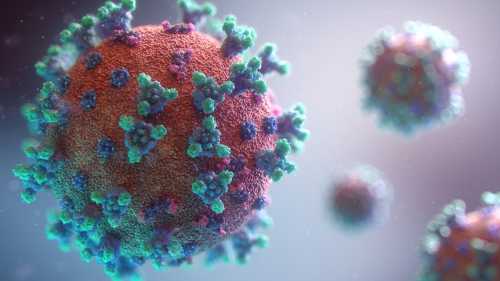
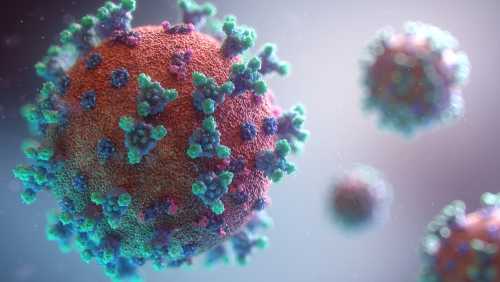
Mpox (formerly called monkeypox) is a viral zoonotic disease caused by the mpox virus, which belongs to the Orthopoxvirus genus in the family Poxviridae. The virus can spread through:
- Close contact with an infected person's rash, scabs, or body fluids
- Respiratory secretions during prolonged face-to-face contact
- Touching contaminated objects like bedding or clothing
- From pregnant person to fetus through the placenta
Symptoms typically include fever, headache, muscle aches, backache, swollen lymph nodes, chills, exhaustion, and a characteristic rash that can look like pimples or blisters. The illness usually lasts 2-4 weeks.
Pakistan's Mpox History
Pakistan's experience with mpox before 2026 was relatively limited. Since April 2023, the country had recorded 11 mpox cases, including one fatality, all linked to travelers returning from the Middle East [[80]]. This made the 2026 outbreak particularly concerning, as it represented sustained local transmission rather than imported cases.
In August 2024, Pakistan confirmed at least one case of mpox in a patient who had returned from a Gulf country, coinciding with the global mpox emergency declared by the World Health Organization [[81]]. However, the 2026 outbreak marked a shift to community transmission within Pakistan.
Hospital Transmission Concerns
The fact that many cases were reported in hospital settings raised serious concerns about infection control practices [[82]]. Healthcare-associated transmission of mpox can occur when proper infection prevention and control (IPC) measures are not strictly followed.
Healthcare workers caring for mpox patients need to use appropriate personal protective equipment (PPE), including gloves, gowns, eye protection, and respirators. Isolation of suspected and confirmed cases is critical to prevent spread to other patients and staff.
The neonatal cases suggest possible transmission from infected mothers or healthcare workers to vulnerable newborns. This highlights the need for strict infection control in maternity wards and neonatal intensive care units.
Surveillance and Detection
Pakistan's National Institute of Health (NIH) in Islamabad plays a crucial role in mpox surveillance and laboratory confirmation. The NIH has the capacity to test suspected mpox cases using polymerase chain reaction (PCR) testing.
The institute has issued advisories on mpox to raise awareness among healthcare workers and the public about the disease, its symptoms, and prevention measures. These advisories are part of Pakistan's broader disease surveillance and response system.
Prevention and Control Measures
To control the mpox outbreak, Pakistani health authorities implemented several measures:
- Enhanced surveillance to detect and confirm cases quickly
- Isolation of confirmed cases to prevent further transmission
- Contact tracing to identify and monitor people exposed to mpox
- Infection control in healthcare facilities
- Public awareness campaigns about symptoms and prevention
- Healthcare worker training on case management and IPC
Clinical Management
There is no specific treatment approved for mpox, but antiviral medications developed for smallpox may be effective. Management focuses on supportive care to relieve symptoms and prevent complications.
For severe cases, particularly in newborns and immunocompromised patients, healthcare providers may use:
- Tecovirimat (TPOXX) - an antiviral medication
- Intravenous immunoglobulin (IVIG)
- Supportive care including fluids, nutrition, and treatment of secondary infections
Vaccination Considerations
While smallpox vaccines provide some protection against mpox, they are not widely available in Pakistan. The World Health Organization has not recommended mass vaccination campaigns for mpox, instead focusing on ring vaccination (vaccinating contacts of confirmed cases) in some settings.
Pakistan's mpox response has prioritized case detection, isolation, and contact tracing over vaccination, given limited vaccine availability and the concentrated nature of the outbreak.
Warning Signs for Parents
Parents should seek immediate medical attention if their newborn shows: unexplained rash or skin lesions, fever, poor feeding, unusual sleepiness or irritability, difficulty breathing, or swollen lymph nodes. Early diagnosis and supportive care can improve outcomes for infants with mpox. Practice good hand hygiene and avoid close contact with anyone who has mpox symptoms.

Comments (0)
No comments yet. Be the first to share your thoughts!
Want to join the discussion?
Please log in to post a comment.
Login NoworCreate an Account