
Pakistan Secures 6-Month Medicine Stockpile and Boosts Healthcare in 2026 Budget

Building a Fortress of Health
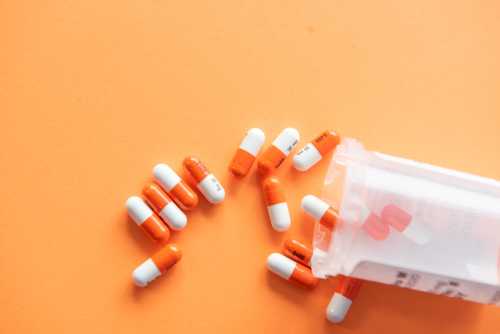
Imagine you are going on a long road trip through a desert. You would not start the trip with only enough water for one day, right? You would fill up your car with extra water, food, and gas just in case something goes wrong. A country’s healthcare system is exactly the same. If a disease suddenly spreads, or if the borders close, or if there is a natural disaster, the country needs a giant "stockpile" of medicines to keep its people safe. For a long time, Pakistan struggled to keep its medicine cabinets full. But in a major public health victory, the Pakistani government has announced that the country now has a secure 5 to 6 month stockpile of essential medicines [[8]].
This announcement, made by the Ministry of Health in April 2026, brings a massive sigh of relief to doctors and citizens alike. It means that no matter what global supply chain problems occur, or what economic challenges arise, the pharmacies and hospitals in Pakistan will not run empty. This strategic reserve is the result of careful planning, strict monitoring, and a new national focus on medical self-reliance.
Why Medicine Shortages Happen
To understand why a 6-month stockpile is such a big deal, we have to look at how medicines are made and moved. Most of the raw materials used to make pills and syrups—called Active Pharmaceutical Ingredients (APIs)—are not made in Pakistan. They are imported from other countries, mostly from China and India. When there is a problem in those countries, like a factory closing or a war, or if the price of the US dollar goes up, it becomes very hard and expensive to bring those raw materials into Pakistan.
Additionally, the government sometimes puts strict controls on the prices of medicines to keep them cheap for poor people. While this is good for the patients, it can be bad for the local medicine factories. If the factory cannot sell the medicine for enough money to cover its costs, it simply stops making it. This leads to empty shelves in the pharmacies. By securing a 6-month buffer, the government has bought itself time to fix these long-term economic and industrial problems without putting patients in immediate danger.
The 2026 Budget: A New Era for Health Spending
Having enough medicine is only part of the puzzle. You also need hospitals, doctors, and modern equipment to treat the people. This is where the 2026 National Budget comes in. The government has allocated record-breaking funds to the health sector, signaling a major shift in priorities [[6]]. The budget focuses on upgrading rural health centers, buying new MRI and X-ray machines for public hospitals, and increasing the salaries of nurses and doctors so they do not leave the country.
One of the most exciting parts of the budget is the "Uraan Pakistan" initiative, which has approved five massive new healthcare projects [[5]]. These projects include the establishment of new polyclinics and specialized hospitals. The goal is to make sure that a person living in a small village has access to the same quality of care as someone living in the capital city. The budget also includes subsidies for the local pharmaceutical industry, encouraging them to manufacture more medicines inside Pakistan so the country relies less on imports in the future.
Collaboration Between Government and Industry
The success of the medicine stockpile is due to an unprecedented level of cooperation between the government and the private sector. The Ministry of Health held dozens of meetings with the leaders of pharmaceutical companies and medical device importers [[8]]. Instead of fighting, they worked together to identify which medicines were most likely to run out. The government agreed to make it easier for companies to open Letters of Credit (LCs) at the banks, which is a financial tool needed to buy things from other countries. In return, the companies promised to keep their factories running at full capacity and to maintain the 6-month reserve.
Official Statement from Pakistan Today
Pakistan has 5–6 months of medicine stocks, health ministry says. The assurance came after high-level meetings between the health ministry and representatives of the pharmaceutical and medical devices sectors, ensuring uninterrupted supply chains across the country.
- Pakistan Today Official Report
Read the full official report here: View Official News Report
The Impact on the Common Citizen
For the common citizen, these high-level government meetings and budget numbers translate into something very simple: peace of mind. When a father gets sick, the last thing he wants to worry about is running from one pharmacy to another looking for a specific heart pill. When a mother needs antibiotics for her child, she should be able to find them at a fair price around the corner. The 6-month stockpile and the increased health budget mean that the basic human right to access medicine is being protected by the state.
The Road Ahead
While the 6-month stockpile is a fantastic achievement, the journey is not over. The government must now focus on long-term solutions. This includes investing in scientific research so Pakistani scientists can create their own raw materials for drugs. It also means cracking down on fake medicines, which are a dangerous black-market problem in many developing countries. If Pakistan can maintain this momentum, keep the medicine cabinets full, and continue to invest in its hospitals, the future of public health in the country looks incredibly bright. The 2026 budget and the secure stockpile are not just numbers on a page; they are the foundation of a healthier, stronger, and more resilient Pakistan.

Comments (0)
No comments yet. Be the first to share your thoughts!
Want to join the discussion?
Please log in to post a comment.
Login NoworCreate an Account