
Pakistan to Receive Free Childhood Cancer Medicines Through WHO Agreement, Hope for 8,000 Children Diagnosed Annually

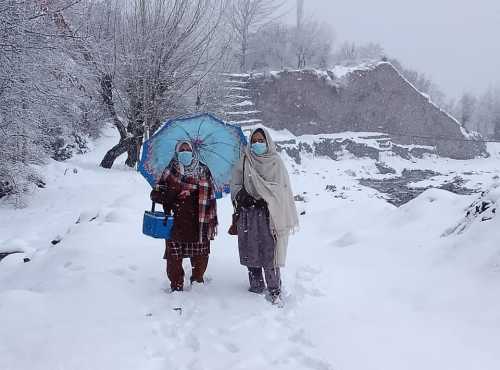
ISLAMABAD — In a groundbreaking development that promises to save thousands of young lives, Pakistan is preparing to receive free, quality-assured childhood cancer medicines by the end of 2026 under a historic agreement with the World Health Organization (WHO). This life-saving initiative marks a turning point for the over 8,000 children diagnosed with cancer annually in Pakistan, where limited access to treatment has resulted in survival rates of just 30% compared to 80% in high-income countries.
Key Highlights:
- Four hospitals completing preparations to receive medicines by end of 2026
- Seven additional facilities to be ready by 2027
- Pakistan becomes second country in Eastern Mediterranean Region to join Global Platform
- Goal: Increase childhood cancer survival rate from 30% to 60% by 2030
- Over 8,000 new childhood cancer cases diagnosed annually in Pakistan
- Medicines provided completely free through WHO-UNICEF partnership
A Historic Agreement Brings New Hope
On July 29, 2025, the WHO and Pakistan's Federal Ministry of Health formalized the country's participation in the Global Platform for Access to Childhood Cancer Medicines, making Pakistan the second country in the Eastern Mediterranean Region to join this transformative initiative. The Global Platform, co-founded in 2021 by St. Jude Children's Research Hospital and WHO, aims to provide an uninterrupted supply of certified cancer medicines to low- and middle-income countries.
Currently, four Pakistani hospitals are implementing recommendations from international expert missions and finalizing preparations to start receiving the free medicines before the end of 2026. Seven additional facilities, visited by expert missions from January 30 to February 6, 2026, are expected to implement technical recommendations to be ready to receive supplies in 2027. The ultimate goal is ambitious yet essential: provide free, quality-assured medicines to all hospitals providing childhood cancer treatment in Pakistan.
The Devastating Reality of Childhood Cancer in Pakistan
The statistics are sobering. Each year, over 8,000 children in Pakistan receive a cancer diagnosis. In low- and middle-income countries like Pakistan, survival rates hover below 30%, meaning that 7 out of 10 children affected by cancer do not survive. This stands in stark contrast to high-income countries where survival rates reach 80%.
Limited access to treatment and medicines represents one of the primary factors behind this devastating gap. Many families simply cannot afford the costly medications required for effective cancer treatment, forcing impossible choices between their child's life and financial ruin. The WHO-Pakistan agreement directly addresses this barrier by ensuring that essential cancer medicines will be available completely free of charge.
How the Global Platform Works
The Global Platform for Access to Childhood Cancer Medicines operates through a sophisticated international collaboration. UNICEF serves as the procurement agent, responsible for purchasing the medicines and delivering them to Pakistan. The initiative works to consolidate global demand, shape the market, and assist countries with medicine selection, development of treatment standards, and building information systems to track effective care delivery.
Beyond simply providing medicines, the Global Platform offers comprehensive support including technical guidance, resources, and operational assistance to strengthen Pakistan's health system and enhance overall childhood cancer services. This holistic approach recognizes that medicines alone are not enough—robust health systems, trained healthcare workers, and proper infrastructure are all essential components of successful childhood cancer treatment.
WHO's Unwavering Commitment
WHO Representative in Pakistan, Dr. Luo Dapeng, emphasized the organization's dedication to this cause: "Every child has the right to receive quality cancer treatment, regardless of their economic status, where they live or who they are. No child affected by cancer should die because of a lack of access to treatment. WHO is fully committed to working side by side with Pakistan and partners to save lives and leave no child behind."
This statement reflects a fundamental principle of global health equity: that a child's chance of surviving cancer should not depend on their family's wealth or their country's economic status. The WHO-Pakistan partnership represents a concrete step toward making this principle a reality.
The Global Context: A Worldwide Challenge
Pakistan's childhood cancer challenge reflects a global crisis. Worldwide, an estimated 400,000 children develop cancer each year. Close to 90% of these children live in low- and middle-income countries, where survival rates remain stubbornly below 30%. The Global Platform aims to provide an uninterrupted supply of quality-assured cancer medicines to approximately 120,000 children in low- and middle-income countries over the next five years, with plans to scale up supplies in future years.
This initiative represents more than just medicine distribution—it's part of a broader effort to close the childhood cancer survival gap between wealthy and poor nations. By ensuring consistent access to essential medicines, strengthening health systems, and building local capacity, the Global Platform addresses the root causes of global health inequity.
Preparing the Ground: Hospital Readiness
The path to receiving these life-saving medicines requires careful preparation. International expert missions visited Pakistani hospitals in August 2025 and again from January 30 to February 6, 2026, providing technical recommendations that hospitals must implement before receiving medicines. These recommendations cover everything from storage facilities and supply chain management to clinical protocols and staff training.
The four hospitals preparing to receive medicines in 2026 are working diligently to meet these standards. The seven additional facilities targeted for 2027 are following suit. This phased approach ensures that when medicines arrive, the infrastructure and expertise exist to use them effectively, maximizing their life-saving potential.
Economic and Social Impact
Beyond saving lives, this initiative carries profound economic and social implications. Childhood cancer treatment costs can devastate family finances, pushing households into poverty and forcing difficult choices between treating one child and caring for other family members. By providing medicines free of charge, the Global Platform removes this financial barrier, allowing families to focus on what matters most: their child's recovery.
Moreover, healthier children grow into productive adults, contributing to Pakistan's economic development and social progress. The investment in childhood cancer treatment yields returns not just in lives saved, but in a stronger, healthier population capable of driving the nation forward.
Looking Ahead: Ambitious Goals for 2030
The WHO-Pakistan agreement sets an ambitious target: increase Pakistan's childhood cancer survival rate from the current 30% to 60% by 2030. Achieving this goal requires more than just medicines—it demands comprehensive health system strengthening, healthcare worker training, public awareness campaigns, and sustained political commitment.
The agreement represents a crucial first step on this journey. As hospitals prepare to receive medicines, as healthcare workers receive training, and as families learn that effective treatment is available and affordable, Pakistan moves closer to a future where no child dies from cancer simply because of where they were born or how much money their parents earn.
A Model for Global Health Cooperation
Pakistan's participation in the Global Platform demonstrates the power of international cooperation in addressing global health challenges. By pooling resources, sharing expertise, and committing to health equity, WHO, St. Jude Children's Research Hospital, UNICEF, and Pakistan are creating a model that other countries can follow.
As the first medicines prepare to arrive in 2026, Pakistan stands on the threshold of a new era in childhood cancer care. For the 8,000 children diagnosed each year and their families, this initiative offers something priceless: hope. Hope that diagnosis is not a death sentence. Hope that treatment is accessible. Hope that survival is possible.
What This Means for Families: If your child is diagnosed with cancer in Pakistan, essential medicines will soon be available completely free of charge through participating hospitals. The program aims to expand to all cancer treatment facilities, ensuring that every child has access to life-saving treatment regardless of their family's financial situation.
Comments (0)
No comments yet. Be the first to share your thoughts!
Want to join the discussion?
Please log in to post a comment.
Login NoworCreate an Account