
Pakistan's Brave Fight Against Measles: New Karachi Vaccination Center Gives Hope to Millions

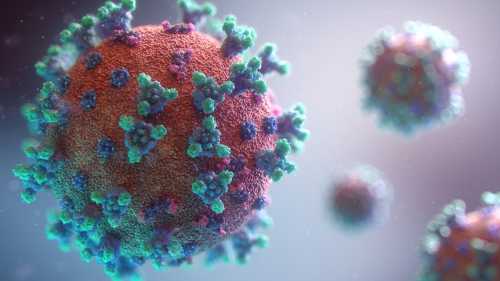
Imagine you are playing with your friends, and suddenly, a tiny, invisible bug tries to make everyone sick. In the world of medicine, we have special shields to stop these bugs, and they are called vaccines. Right now, in the beautiful country of Pakistan, there is a big story happening about these shields. In the year 2026, Pakistan is facing a tough challenge with a sickness called measles. Measles is like a very strong bully that makes children feel very hot, gives them a rash, and makes it hard to breathe. But the good news is that the doctors, the government, and friends from all over the world are teaming up to fight this bully and keep every child safe and smiling.
The Challenge: Understanding the Numbers
To understand how big this challenge is, we have to look at the numbers, which are like a scoreboard in a game. Between the start of the year in January and the month of May in 2026, almost 10,000 children in Pakistan caught this measles bug, and sadly, 83 of them became too sick to get better. In the province of Sindh, which is a large and busy area, things were especially tough, with many children needing extra help. When a sickness spreads like this, it is called an outbreak. It happens when not enough people have their shields up. Sometimes, parents might forget, or they might live very far away from a doctor, or they might just be scared of the needle. But the health workers in Pakistan know that every single child deserves to be protected, no matter where they live or how much money their family has.
When a sickness like measles spreads, it does not just affect the child who gets sick. It affects the whole family. Parents have to miss work to stay home and take care of their little one. Sometimes, the child has to go to the hospital, which costs money that the family might need for food or rent. This is why public health is so important. It is not just about medicine; it is about keeping the whole community strong, happy, and able to work and go to school. When children are healthy, they can learn better, play harder, and dream bigger.
Did You Know?
Measles is one of the most contagious viruses in the world, but it is entirely preventable with a safe and effective vaccine!
A New Super Base for Health
To fight back, the leaders in Pakistan decided they needed a better, stronger place to give out these shields. On a bright day in June 2026, the government of Sindh and the World Health Organization (WHO) cut a big red ribbon to open a brand-new, super-modern vaccination center in the city of Karachi. This is not just a regular doctor's office; it is a model center, which means it is the best of the best. It is located at the National Institute of Child Health, and it is designed to help a massive 2.5 million people who live in the District South area of the city. Imagine a place that is so big and so welcoming that millions of families can walk in, feel safe, and get the exact care they need. This new center is equipped with the coolest technology to keep the vaccines perfectly cold and fresh, because vaccines are like delicate flowers that need the right temperature to stay strong.
Official Update from EPI Sindh:
Inauguration of EPI Model Vaccination Centre at NICH Karachi! With WHO support, serving 2.5 million people in District South.
Posted by EPI Sindh on Wednesday, June 18, 2026
The Army of Heroes and the Magic Phone
But a beautiful building is just a building without the brave people inside it. Pakistan has an army of health heroes—over 140,000 of them! The WHO and local leaders spent months training these incredible men and women. They learned how to talk to parents, how to give the shots quickly and gently so the children do not cry too much, and how to keep track of every single child they help. These health workers travel to the deepest villages, the busiest streets, and the most remote mountains. They carry coolers on their backs, walking for miles under the hot sun, just to make sure a baby in a tiny village gets the same protection as a baby in a big city. They are the real superheroes of this story, wearing their uniforms like capes.
These health workers face many challenges. Sometimes the roads are washed away by rain, or the paths are too steep for cars. They have to carry the vaccines in special boxes called cold boxes, which are filled with ice packs to keep the vaccines at the perfect temperature. If the vaccines get too hot, they stop working. So, these heroes have to be very careful and very fast. They knock on doors in the early morning before the sun gets too hot. They sit with families in the evening after they have finished their daily chores. They are tireless, driven by the belief that no child should suffer from a sickness that we already know how to prevent.
Leading this massive mission is a very important leader named Syed Mustafa Kamal, who is the Federal Minister for Health in Pakistan. Think of him as the captain of the health team. Captain Kamal has a very big dream. He recently traveled all the way to Geneva, Switzerland, to speak to the biggest health leaders from every country in the world at the World Health Assembly. He told them that Pakistan is going to make its healthcare system modern and strong. He even said that by the year 2030, Pakistan wants to make its own vaccines right inside the country, so they do not have to rely on anyone else. This is like learning to bake your own bread instead of always buying it from the store; it makes the country stronger and more independent. He is working day and night to make sure the government knows exactly where sickness is happening so they can stop it before it spreads.
Now, how do parents know where to go to get these shields for their children? Pakistan has a magic phone number: 1166. It is called the "Sehat Tahaffuz" helpline, which translates to "Health Protection." If a mother in a faraway village has a question about vaccines, or if a father is worried about his baby's fever, they can just dial 1166 for free. The people who answer the phone are specially trained to be kind, patient, and super smart. They listen to the families' worries and give them the right answers. This helpline is supported by great global friends like UNICEF and Gavi, which is an international group that helps poor countries get vaccines. The helpline is crucial because sometimes, rumors can spread faster than a sickness. If someone says something scary about vaccines, the 1166 helpline is there to tell the truth and calm everyone down with facts and kindness.
The Power of 1166:
Through Sehat Tahaffuz 1166 helpline, families across Pakistan receive trusted guidance on vaccines and child health.
Posted by UNICEF Pakistan
How Vaccines Work: The Castle Guards
Since we are explaining this so everyone can understand, let us talk about how a vaccine actually works inside your body. Imagine your body is a beautiful castle, and your immune system is the army of guards protecting the walls. When you get a vaccine, it is like showing the guards a picture of the bad guy (the measles bug) before he even arrives. The guards look at the picture, study his face, and practice how to fight him. So, when the real measles bug tries to climb the castle walls, the guards already know exactly what to do. They chase him away immediately, and you do not even feel sick! The vaccine teaches your body how to win the battle before the battle even starts. It is like having a superpower that you get from a tiny, quick pinch on your arm.
It is truly amazing how smart our bodies are. After the guards chase the bad guy away, they keep his picture in a special album inside the castle. This album is called 'memory.' So, if that same measles bug tries to visit the castle ten years from now, the guards do not even need to practice. They look at the album, recognize the bully immediately, and stop him right at the gate. This is why you usually only need a vaccine once or twice in your whole life. Your body remembers how to fight the bug forever. It is like having a permanent, invisible force field that you carry with you everywhere you go, protecting you while you sleep, play, and grow.
Global Friends and the Road Ahead
Pakistan is not doing this alone. Just like in a big group project at school, Pakistan has amazing partners helping them. The World Health Organization (WHO) is like the head teacher, giving the best advice and training. UNICEF is like the helper who makes sure the supplies reach the schools. Gavi is like the generous friend who helps pay for the shields so that no child is left behind because their family is poor. These organizations believe that health is a human right. They know that when a child in Pakistan is protected from measles, the whole world is a little bit safer, because germs do not know about borders or walls. By helping Pakistan, they are helping the entire globe stay healthy and strong.
One of the biggest parts of this story is about trust. Sometimes, people are afraid of new things. The teams on the ground, including groups like Jhpiego, spend a lot of time just sitting with communities, drinking tea, and listening to their fears. They do not just shove a needle in someone's arm; they build friendships first. They explain that the vaccine has been tested by thousands of scientists to make sure it is safe. They show them that their own healthy, vaccinated children are proof that it works. Building trust takes time, like growing a beautiful garden. You have to water it every day with honesty, kindness, and respect. And in Pakistan, the health workers are watering that garden every single day, seeing it bloom as more parents confidently bring their children to the new centers.
The journey is not completely over yet. Even with the new center in Karachi and the 140,000 trained heroes, there are still millions of children to reach. The government of Pakistan is planning massive drives to protect 35 million children from measles and rubella. That is a number so big it is hard to imagine! It will take every single person working together. The government needs to keep buying vaccines, the leaders need to keep making good rules, and the parents need to keep bringing their kids to the doctors. But looking at the energy, the new buildings, and the dedication of leaders like Syed Mustafa Kamal, the future looks very bright. Pakistan is showing the world that when a country decides to protect its children, there is no sickness that can stand in their way.
Every Child Deserves a Healthy Future!
Together, through science, compassion, and teamwork, Pakistan is building a shield that will protect generations to come.
Comments (0)
No comments yet. Be the first to share your thoughts!
Want to join the discussion?
Please log in to post a comment.
Login NoworCreate an Account