
Rising Bird Flu Cases in 2026: CDC and WHO Monitor A(H5) Avian Influenza Threat

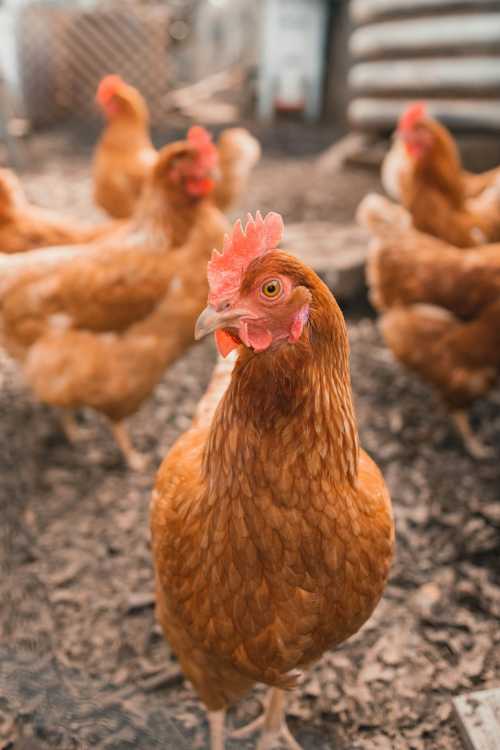
The Virus Jumping from Birds to Mammals
For the past few years, a microscopic enemy has been causing absolute devastation in the bird population around the world. It is called the A(H5) avian influenza, commonly known as Bird Flu. This virus has killed hundreds of millions of wild and domestic birds, causing massive economic losses for farmers. But in 2026, public health officials at the CDC and the WHO are watching it with extreme concern for a new reason: the virus is increasingly infecting mammals, including dairy cows, and in rare cases, humans [[40]]. While the risk to the general public remains low, the possibility that this virus could mutate and start spreading easily between people is a nightmare scenario that the world is working hard to prevent.
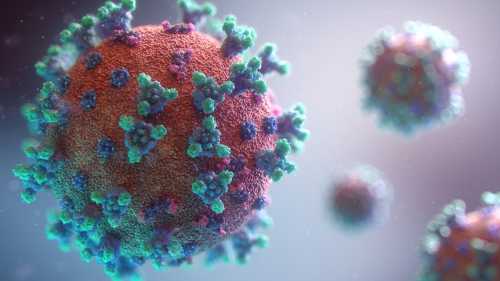
To understand why scientists are so worried, we have to look at how flu viruses behave. Influenza viruses are like shape-shifters. They are constantly making tiny mistakes when they copy themselves, which changes their outer shape slightly. This is why we need a new flu shot every year. But sometimes, a bigger change happens, called an "antigenic shift." If the bird flu virus mixes with a human flu virus inside an animal host, it could create a brand-new virus that humans have zero immunity against. If that new virus can also spread easily from person to person, it could start a devastating global pandemic.
The Unprecedented Spread in Dairy Cattle
The most surprising development in the A(H5) story is how it has established itself in US dairy herds. Historically, bird flu was strictly a bird disease. But in recent years, the virus jumped to cattle. When cows get infected, they produce less milk, and the milk becomes thick and discolored. The virus concentrates heavily in the milk. While pasteurization—the process of heating milk to kill germs—effectively destroys the virus, the raw milk from infected cows is a massive biohazard.
Farm workers who handle the sick cows and the raw milk are at the highest risk of catching the virus. Indeed, dozens of agricultural workers in the US have tested positive for A(H5) since the outbreak began. Fortunately, their symptoms have mostly been mild, primarily conjunctivitis (pink eye) and some respiratory issues. No human-to-human transmission has been detected, which is the most critical factor in keeping the general public safe [[44]]. However, every time the virus infects a new mammal, it gets more opportunities to mutate and adapt to mammalian biology.
Updating the Vaccines for 2026
Because the threat is so real, the WHO and the CDC are constantly updating their "candidate vaccine viruses." These are special versions of the virus grown in labs that can be used to make a vaccine if the bird flu starts spreading among people. In February 2026, the WHO released its official recommendations for the composition of influenza vaccines for the upcoming seasons, specifically addressing the evolving A(H5) strains [[39]]. They are developing vaccines that target the exact Clade 2.3.4.4b virus that is currently circulating in birds and mammals. Governments are stockpiling millions of doses of these pre-pandemic vaccines, just in case they are needed.
The CDC has also streamlined its reporting process. As of mid-2025 and continuing into 2026, the CDC has integrated A(H5) bird flu updates with its routine influenza data systems [[40]]. This means they are tracking the bird flu threat with the same speed and intensity as the regular seasonal flu, ensuring that any unusual changes are detected immediately.
Is the Food Supply Safe?
A major concern for the public is whether it is safe to eat chicken, eggs, and dairy products. The answer from both the CDC and the FDA is a resounding yes. Properly handled and cooked poultry and eggs do not transmit the bird flu virus. The virus is killed by heat, so cooking chicken to an internal temperature of 165°F (74°C) makes it completely safe. Similarly, the pasteurization process for milk and dairy products like cheese and yogurt is proven to inactivate the virus. The risk is strictly occupational, meaning it is limited to farmers and workers who have direct, unprotected contact with infected animals or their raw fluids.
CDC Current Situation Summary
A(H5) Bird Flu: Current Situation. The CDC continues to monitor the A(H5) avian influenza virus circulating in birds and dairy cattle. While human cases remain rare and mostly mild, the risk to people who have close contact with infected animals is higher. The general public risk remains low.
- Centers for Disease Control and Prevention (CDC)
Read the full official situation summary here: View CDC Bird Flu Situation Summary
The Global Effort to Contain the Virus
Containing A(H5) in birds is incredibly difficult because wild migratory birds carry the virus across continents. They drop the virus in lakes and fields, infecting domestic flocks. To manage this, countries are using strict biosecurity measures on farms. This means farmers must wear special protective gear, disinfect their boots, and keep wild birds away from their flocks. In some cases, millions of birds must be culled (humanely euthanized) to stop the virus from spreading further. Scientists are also testing vaccines for chickens and cows, which could be a game-changer in reducing the amount of virus circulating in the environment.
Staying Vigilant Without Panic
The situation with Bird Flu in 2026 requires a delicate balance. We must not panic, because the virus is not spreading among people, and our food supply is safe. However, we cannot be complacent. The virus is widespread in animals, and every infection is a roll of the genetic dice. Public health agencies are sequencing the DNA of every human and animal case they find to ensure the virus is not mutating into something more dangerous. By investing in surveillance, stockpiling vaccines, and protecting farm workers, the world is building a strong defense. The goal is to stop a potential pandemic before it even has the chance to start, ensuring that the A(H5) virus remains an animal health problem and never becomes a human catastrophe.

Comments (0)
No comments yet. Be the first to share your thoughts!
Want to join the discussion?
Please log in to post a comment.
Login NoworCreate an Account