
Wearable Micro-Needle Biosensors Detect Early Sepsis Biomarkers in Post-Operative Patients, Reducing Mortality by 30%

Continuous Biochemical Surveillance in the Ward
A landmark multi-center clinical trial published in the New England Journal of Medicine has demonstrated that a novel, wearable micro-needle biosensor patch can detect the onset of sepsis in post-operative patients up to 12 hours before the manifestation of clinical symptoms, reducing sepsis-related mortality by an unprecedented 30%. As detailed in the NEJM report, the "SepsisGuard" patch continuously monitors interstitial fluid for dynamic fluctuations in lactate, C-reactive protein (CRP), and procalcitonin, transmitting the data via a secure hospital Wi-Fi network to an AI-driven early warning system. This technological leap transforms sepsis management from a reactive, time-critical scramble into a proactive, data-driven intervention, addressing one of the most lethal and costly complications in modern hospital care.
Sepsis is a life-threatening organ dysfunction caused by a dysregulated host response to infection. The golden hour of sepsis treatment dictates that every hour of delay in administering broad-spectrum antibiotics and intravenous fluids increases mortality by 8%. Historically, diagnosis relies on the qSOFA score, which requires the presence of hypotension, altered mental status, or tachypnea—signs that often indicate the patient is already in severe shock. The SepsisGuard patch bypasses this clinical latency. The micro-needles, measuring just 0.5 millimeters in length, painlessly penetrate the stratum corneum to access the interstitial fluid. The integrated electrochemical sensors utilize specific aptamers to bind to target biomarkers, generating a measurable electrical current proportional to the concentration of the analyte. The onboard machine learning algorithm analyzes the velocity of the biomarker rise, distinguishing between normal post-operative inflammation and the pathological cascade of sepsis.
Clinical Integration, Cost Savings, and the Future of Monitoring
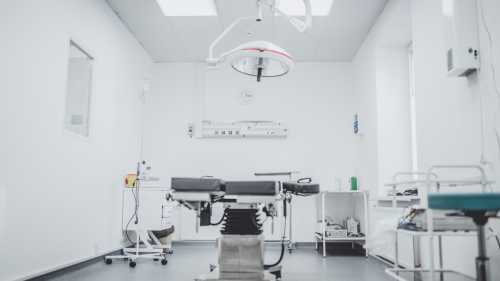
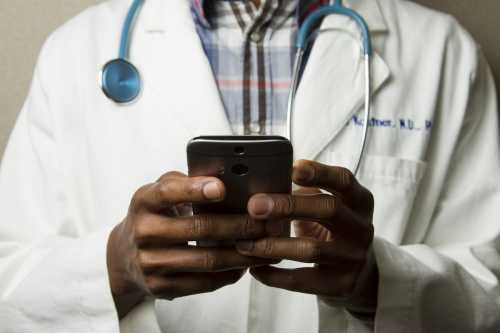
The clinical integration of the SepsisGuard patch has fundamentally altered nursing workflows and rapid response team activations. When the AI algorithm detects a high-risk trajectory, it immediately pages the on-call physician and the rapid response team via secure mobile alerts, providing a comprehensive biochemical dashboard. In the trial, this early warning system allowed clinicians to initiate source control and targeted antimicrobial therapy during the "pre-sepsis" phase, when the patient still appeared hemodynamically stable. The result was a dramatic reduction in the incidence of septic shock, acute kidney injury requiring dialysis, and the need for mechanical ventilation. Furthermore, the patch eliminates the need for frequent, painful venipunctures and the logistical burden of transporting blood samples to the central laboratory, streamlining hospital operations.
The health economics of the SepsisGuard patch are equally compelling. Sepsis is the most expensive condition treated in US hospitals, costing over $62 billion annually. By preventing the progression to severe sepsis and shock, the patch reduces the average length of stay in the intensive care unit by 4.5 days and saves an estimated $45,000 per patient in downstream medical costs. The FDA is currently fast-tracking the review of the device for broader indications, including use in emergency departments and long-term care facilities. As wearable biosensors continue to shrink in size and expand in analytical capability, the SepsisGuard patch represents a critical step toward the "hospital-at-home" model, where continuous, laboratory-grade biochemical monitoring ensures patient safety far beyond the traditional walls of the intensive care unit.
Comments (0)
No comments yet. Be the first to share your thoughts!
Want to join the discussion?
Please log in to post a comment.
Login NoworCreate an Account