
WHO and Africa CDC Declare 2026 Bundibugyo Ebola Outbreak a Public Health Emergency

A Global Health Alarm Sounds
In the world of public health, there are different levels of alerts. A regular alert is like a yellow traffic light; it means "be careful." But when the World Health Organization (WHO) and the Africa CDC declare a Public Health Emergency of International Concern, it is like a massive red flashing siren. It means a disease is so dangerous and spreading so fast that the entire world must unite to stop it. In June 2026, that red siren went off for the Bundibugyo Ebola disease outbreak in the Democratic Republic of the Congo (DRC) [[11]].
This declaration is not made lightly. It only happens when a disease poses a serious risk to multiple countries and requires a coordinated global response. The Bundibugyo virus is a rare but incredibly deadly cousin of the more famous Zaire Ebola virus. By declaring this emergency, the WHO is unlocking millions of dollars in emergency funding and sending the world's top disease detectives to Africa to help stop the outbreak before it spreads across borders.
What is the Bundibugyo Ebola Virus?
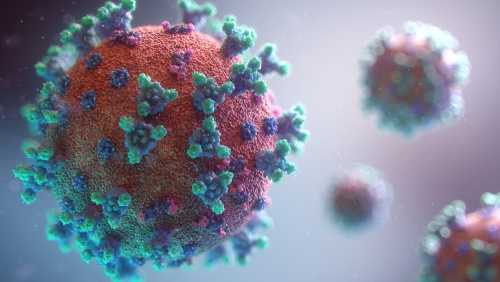
To understand the threat, we have to look at what Ebola actually does. Ebola is a filovirus, which means it looks like a long, twisted thread under a microscope. It is one of the most aggressive viruses known to science. When it enters the human body, it attacks the immune system and the organs. It essentially tells the body's blood vessels to leak, which leads to internal bleeding and a massive drop in blood pressure.
The Bundibugyo strain was first discovered in 2007 in a district called Bundibugyo in Uganda. While it is generally considered slightly less deadly than the Zaire strain, it still has a high fatality rate, often killing between 25% and 50% of the people it infects [[13]]. The symptoms start suddenly with high fever, severe headache, muscle pain, and weakness. As it gets worse, patients experience vomiting, diarrhea, and unexplained bleeding. The virus spreads through direct contact with the bodily fluids—like blood or saliva—of a person who is sick or has died from the disease.
The Situation in the DRC
The current outbreak in the DRC is particularly challenging because of the region's geography and social dynamics. The DRC is a massive country with dense rainforests and limited roads. Reaching remote villages where cases are found can take days of difficult travel. Furthermore, the areas affected by the outbreak have historically experienced conflict and instability, which makes it hard for health workers to operate safely.
Community trust is also a major hurdle. In past outbreaks, rumors have spread that the disease is fake or that the hospitals are dangerous places where people go to die. This leads to people hiding their sick family members or fleeing the treatment centers, which only allows the virus to spread further. The WHO and local health ministries are working tirelessly with community leaders and religious figures to educate the public and build trust [[19]].
The Medical Arsenal: Vaccines and Treatments
The good news is that science has made incredible progress since the massive West Africa Ebola outbreak in 2014. Today, we have highly effective vaccines that can stop the Bundibugyo virus in its tracks. Health workers are using a strategy called "ring vaccination." When a person is diagnosed, doctors trace everyone they have come into contact with—their family, their neighbors, the people they rode the bus with. They then form a "ring" of vaccinated people around the infected person. Since the virus cannot jump over a wall of immune people, the outbreak stops spreading.
In addition to vaccines, there are now specific treatments, including monoclonal antibodies, that can be given to patients to help their bodies fight the virus. If a patient gets these treatments early, their chances of survival increase dramatically. The international emergency declaration ensures that these life-saving supplies are rushed to the DRC without any bureaucratic delays.
Official Emergency Declaration
WHO and Africa CDC declare the 2026 Ebola disease outbreak a public health emergency. The Bundibugyo virus disease outbreak in the DRC requires immediate international support to contain the spread and protect vulnerable populations across the continent.
- The Lancet / WHO Official Situation Report
Read the full official situation report here: View Africa CDC Situational Report
How the World Protects Itself
For people living outside of the affected regions in the DRC, the risk of catching Ebola is extremely low. The virus does not spread through the air like the flu or a cold. You cannot get it just by breathing the same air as someone or sitting next to them on a plane. It requires direct physical contact. International airports have screening procedures in place to check travelers coming from affected areas for fever. The CDC and other national health agencies are monitoring the situation closely and have prepared isolation units in major hospitals just in case a case is imported [[18]].
The Importance of Global Solidarity
The declaration of a public health emergency is a test of global solidarity. It is easy for rich countries to ignore a disease when it only affects poor countries. But history has taught us that a virus anywhere is a threat everywhere. By rushing to help the DRC, the world is not just saving lives in Africa; it is protecting itself. The brave health workers who are treating these patients, tracking contacts, and vaccinating communities are the thin green line standing between a localized outbreak and a global catastrophe. Their work in 2026 will be remembered as a defining moment in the history of global health security.

Comments (0)
No comments yet. Be the first to share your thoughts!
Want to join the discussion?
Please log in to post a comment.
Login NoworCreate an Account