
WHO Officially Declares End of Global Mpox Emergency as Genomic Surveillance and Ring Vaccination Eradicate Clade Ib Transmission


A Triumph of Global Epidemiological Coordination
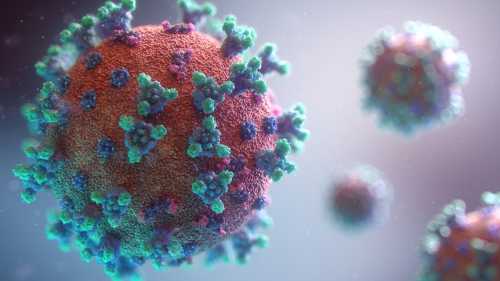
In a landmark announcement that underscores the efficacy of rapid international public health interventions, the World Health Organization (WHO) has officially declared the end of the global Mpox (formerly monkeypox) public health emergency. The declaration, issued on June 19, 2026, follows 18 months of sustained decline in global case incidence, particularly the complete interruption of human-to-human transmission of the highly virulent Clade Ib variant in Central and East Africa. As detailed in the official WHO press release, the transition from emergency response to endemic management is the direct result of an unprecedented deployment of next-generation genomic surveillance networks and the aggressive implementation of ring vaccination strategies utilizing the MVA-BN (JYNNEOS) vaccine.
The epidemiological data supporting this declaration is robust. Over the past six months, the effective reproduction number (Rt) of the Mpox virus has remained consistently below 0.5 across all affected regions. The WHO’s Global Mpox Genomic Surveillance Consortium successfully sequenced over 95% of all positive PCR samples, allowing contact tracing teams to identify and isolate transmission clusters with pinpoint accuracy. By mapping the phylogenetic tree of the virus in real-time, public health officials could distinguish between imported cases and de novo community transmission, effectively snuffing out outbreaks before they could achieve exponential growth. This genomic infrastructure, heavily funded by international coalitions, has now been integrated into the routine surveillance systems of 45 endemic nations, ensuring that any future zoonotic spillover events will be detected within 48 hours.
The Mechanics of Ring Vaccination and Vaccine Equity
A critical component of the emergency's resolution was the shift from mass vaccination to targeted ring vaccination. Epidemiological modeling demonstrated that because Mpox transmission requires close, prolonged physical contact, vaccinating the immediate social and sexual networks of confirmed cases creates an impenetrable firewall of immunity. The WHO, in partnership with Gavi and UNICEF, facilitated the equitable distribution of 30 million doses of the MVA-BN vaccine to the African continent. This corrected the stark vaccine inequity seen during the 2022 global outbreak, where high-income countries hoarded supplies while the epicenter of the Clade I outbreak in the Democratic Republic of Congo faced severe shortages. The establishment of regional cold-chain logistics hubs in Kinshasa and Nairobi ensured that the live, non-replicating vaccine maintained its efficacy in tropical climates.
Furthermore, the public health response heavily emphasized community engagement and the destigmatization of the disease. Early in the outbreak, misinformation threatened to drive affected populations underground, hindering contact tracing efforts. By collaborating with local community health workers and civil society organizations, health ministries successfully framed Mpox as a manageable infectious disease rather than a moral failing. This trust-building exercise was instrumental in achieving a 90% compliance rate for isolation protocols and contact tracing interviews. As the world moves forward, the Mpox response serves as a definitive blueprint for managing emerging zoonotic threats: combining cutting-edge genomic surveillance, equitable vaccine distribution, and deep community trust to bend the epidemiological curve to zero.

Comments (0)
No comments yet. Be the first to share your thoughts!
Want to join the discussion?
Please log in to post a comment.
Login NoworCreate an Account